Five signs you need a CGT logistics partner
By World Courier
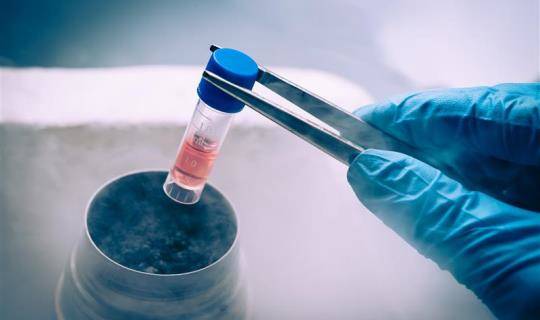
In cell and gene therapy (CGT), every shipment carries material that could change a patient’s life.
That is why success depends on more than reliable transport. It takes a partner who thinks, plans and acts as part of your team.
From planning and validation to 24/7 oversight, World Courier becomes part of your team — applying global experience and CGT expertise to anticipate risks and build confidence at every stage.
If any of the signs below sound familiar, it may be time to bring in a logistics partner who specializes in therapies as individual as your patients.
If your clinical or manufacturing teams spend more time tracking couriers than planning treatments, the balance is off.
CGT supply chains are complex: multiple time zones, cryogenic materials, customs barriers, hospital delivery windows.
“Our role is to take that pressure away,” says Kelly Frend, Senior Manager, Personalized Supply Chain. “Sponsors should focus on patients, not paperwork.”
World Courier’s Customer Success Project Managers (CSPMs) coordinate every hand-off, aligning sites, couriers and customs so your team can focus on science and care — not logistics.
Limited tracking or slow updates can leave sponsors guessing where therapies are and whether they are still within range.
Real-time visibility brings reassurance — and enables early action if conditions change.
“We can see if a shipment is trending high or low in temperature before there’s any risk,” explains Eric Schier, Senior Manager, Personalized Supply Chain. “That gives us time to intervene fast and keep it stable.”
Sponsors can also view this data directly through World Courier’s secure online Customer Portal, with location and temperature readings updated every 15 minutes to provide full transparency and rapid escalation if needed.
If your risk-management strategy depends on ad hoc emails or spreadsheets, you are exposed.
Validated plan B processes — alternate flights, standby drivers, local facilities — are what keep a small issue from becoming a shipment failure.
“Every shipment has a contingency mapped out before it moves,” says Eric. “That’s what turns challenges into recoveries.”
World Courier’s CSPM team develops documented response plans for every lane, rehearsed and approved before the first live shipment.
When regulators or quality teams ask for lane validation or temperature data, proof should be instant.
If gathering it takes days, your process is not working for you.
World Courier captures complete audit trails automatically — from hand-off logs to performance metrics — giving sponsors the documentation they need for compliance and biologic license application (BLA) filings without the panic.
If your logistics provider just ships boxes, you are missing the value of true collaboration and consultation.
Our CSPMs act as embedded teammates — accessible, informed and proactive.
“We stay closely connected with the sponsor’s team,” says Kelly. “We visit their sites too, so when something changes, they don’t have to explain the context — we already know it.”
That close collaboration builds trust, speeds decisions and keeps therapies moving smoothly from patient to patient.
A trusted cell and gene therapy logistics partner does more than deliver. They plan with you, monitor for you and act as you — ensuring every therapy reaches its destination safely, compliantly and on time.
Because in CGT, reliability isn’t just about movement. It is about partnership.
If any of the signs below sound familiar, it may be time to bring in a logistics partner who specializes in therapies as individual as your patients.
One – You are managing shipments instead of patients
If your clinical or manufacturing teams spend more time tracking couriers than planning treatments, the balance is off.
CGT supply chains are complex: multiple time zones, cryogenic materials, customs barriers, hospital delivery windows.
“Our role is to take that pressure away,” says Kelly Frend, Senior Manager, Personalized Supply Chain. “Sponsors should focus on patients, not paperwork.”
World Courier’s Customer Success Project Managers (CSPMs) coordinate every hand-off, aligning sites, couriers and customs so your team can focus on science and care — not logistics.
Two – You don’t have end-to-end visibility
Limited tracking or slow updates can leave sponsors guessing where therapies are and whether they are still within range.
Real-time visibility brings reassurance — and enables early action if conditions change.
“We can see if a shipment is trending high or low in temperature before there’s any risk,” explains Eric Schier, Senior Manager, Personalized Supply Chain. “That gives us time to intervene fast and keep it stable.”
Sponsors can also view this data directly through World Courier’s secure online Customer Portal, with location and temperature readings updated every 15 minutes to provide full transparency and rapid escalation if needed.
Three – Your contingency plans live in someone’s inbox
If your risk-management strategy depends on ad hoc emails or spreadsheets, you are exposed.
Validated plan B processes — alternate flights, standby drivers, local facilities — are what keep a small issue from becoming a shipment failure.
“Every shipment has a contingency mapped out before it moves,” says Eric. “That’s what turns challenges into recoveries.”
World Courier’s CSPM team develops documented response plans for every lane, rehearsed and approved before the first live shipment.
Four – Audit requests cause a scramble
When regulators or quality teams ask for lane validation or temperature data, proof should be instant.
If gathering it takes days, your process is not working for you.
World Courier captures complete audit trails automatically — from hand-off logs to performance metrics — giving sponsors the documentation they need for compliance and biologic license application (BLA) filings without the panic.
Five – Your partners don’t feel like partners
If your logistics provider just ships boxes, you are missing the value of true collaboration and consultation.
Our CSPMs act as embedded teammates — accessible, informed and proactive.
“We stay closely connected with the sponsor’s team,” says Kelly. “We visit their sites too, so when something changes, they don’t have to explain the context — we already know it.”
That close collaboration builds trust, speeds decisions and keeps therapies moving smoothly from patient to patient.
The partnership difference
A trusted cell and gene therapy logistics partner does more than deliver. They plan with you, monitor for you and act as you — ensuring every therapy reaches its destination safely, compliantly and on time.
Because in CGT, reliability isn’t just about movement. It is about partnership.