World Courier expands global cryogenic network – driving the next era of cell and gene therapy logistics
By World Courier
Cell and gene therapies (CGTs) and biologics are transforming the lives of people with serious and life-limiting diseases — offering new treatments, and in some cases, cures for conditions ranging from cancer and hematological disorders to eye diseases and Duchenne muscular dystrophy.

These include groundbreaking trials targeting diseases such as large B-cell lymphoma, Parkinson’s disease, and non-small cell lung cancer — each requiring precise cryogenic storage and transport to maintain the viability of living cells throughout development.
These therapies are time-critical and temperature-sensitive. They must reach patients in optimal condition, and that means maintaining ultra-low temperatures from storage to delivery. Cryogenic capability has become a vital link in the chain. Not just for transport, but for long-term preservation, distribution, and patient access.
The global cell and gene therapy market is expanding rapidly. Industry forecasts project revenues to grow from US$8.9 billion in 2025 to almost US$40 billion by 2035 — a reflection of both accelerating research and development (R&D) and a growing number of approved therapies [1,2].
At the same time, supply-chain reliability remains a top concern for pharmaceutical leaders, cited by 15% of respondents in GlobalData’s 2025 survey. Personalized and precision medicines, including CGTs, rely on secure and compliant cryogenic infrastructure to ensure materials remain viable from production to patient. [3]
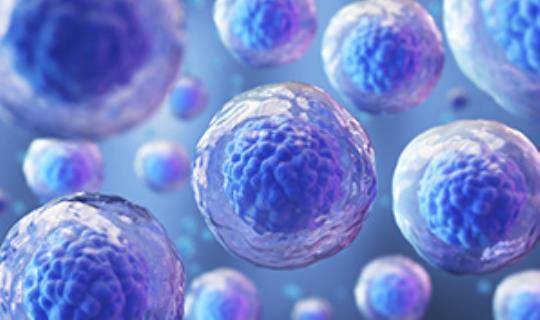
Living cells — from autologous and allogeneic therapies to master cell banks — have a limited lifespan at standard refrigerated temperatures. At cryogenic temperatures below –150°C, maintained with liquid nitrogen (LN2), that lifespan can extend from days to years. This capability allows cells to be stored until needed for clinical trials or patient treatment, enabling greater flexibility for decentralized studies and ensuring therapies can reach patients wherever they are.
This expansion also supports the increasing use of allogeneic therapies and master cell banks — areas where secure, compliant cryogenic storage plays a critical role in maintaining product integrity.
Our response to this growing need is the creation of a global network of licensed and compliant LN2 cryogenic storage depots. They are purpose-built for the long-term preservation of high-value clinical and biologic materials.
As part of our plan to equip all 22 depots with cryogenic capability — building the largest network of its kind — we have now added new facilities in São Paulo and Beijing, strengthening our presence in two of the world’s fastest-growing regions for cell and gene therapy research.
“By expanding cryogenic capacity across key global depots, we’re giving our customers the flexibility to manage therapies locally and regionally, with the confidence that every vial remains compliant, traceable and protected,” says Niall Eastwood, Director of Clinical Supply Solutions at World Courier.
“That’s what an integrated, end-to-end network delivers — less risk, more reliability, and ultimately faster access for patients.”
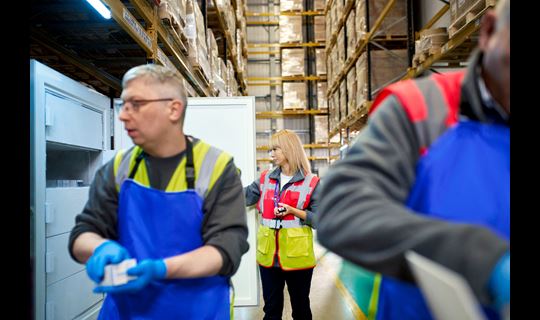
Each of our cryogenic depots is equipped with qualified LN2 tanks and real-time monitoring systems to maintain stable conditions below –150°C. Materials are transferred in dry vapor shippers to prevent contamination and ensure continuous temperature control. All facilities operate under good distribution practice (GDP) standards and local regulatory requirements, supported by robust safety protocols and global standard operating procedures.
“Each installation follows a standardized global qualification process,” expressed Gonzalo Pérez, Senior Service Manager, CSS, at World Courier. “That means every cryogenic site — whether in Beijing, São Paulo, or Melbourne — operates to the same safety and quality protocols, giving clients total confidence in consistency across the network.”
Because we manage both the storage and movement of clinical materials, our depots and transport offices operate as a single, connected network — maintaining full chain of custody from manufacturer to clinical site. Our electronic quality management system (eQMS) ensures every shipment and storage point meets the same rigorous global standards.
That integration is what sets us apart. For clients developing CGTs and biologics, it means fewer hand-offs, lower risk, and a single trusted partner for every stage of the journey, from long-term cryogenic storage to last-mile delivery.
The science behind CGTs is advancing at speed. Our role is to make sure the infrastructure keeps pace.
By expanding our cryogenic logistics network and strengthening our clinical supply solutions service, we are helping our customers deliver advanced therapies faster, safer and more reliably. This ensures that innovation in the lab translates into real-world impact for patients everywhere.
These therapies are time-critical and temperature-sensitive. They must reach patients in optimal condition, and that means maintaining ultra-low temperatures from storage to delivery. Cryogenic capability has become a vital link in the chain. Not just for transport, but for long-term preservation, distribution, and patient access.
Meeting the growing need for cryogenic capability
The global cell and gene therapy market is expanding rapidly. Industry forecasts project revenues to grow from US$8.9 billion in 2025 to almost US$40 billion by 2035 — a reflection of both accelerating research and development (R&D) and a growing number of approved therapies [1,2].
At the same time, supply-chain reliability remains a top concern for pharmaceutical leaders, cited by 15% of respondents in GlobalData’s 2025 survey. Personalized and precision medicines, including CGTs, rely on secure and compliant cryogenic infrastructure to ensure materials remain viable from production to patient. [3]
Living cells — from autologous and allogeneic therapies to master cell banks — have a limited lifespan at standard refrigerated temperatures. At cryogenic temperatures below –150°C, maintained with liquid nitrogen (LN2), that lifespan can extend from days to years. This capability allows cells to be stored until needed for clinical trials or patient treatment, enabling greater flexibility for decentralized studies and ensuring therapies can reach patients wherever they are.
This expansion also supports the increasing use of allogeneic therapies and master cell banks — areas where secure, compliant cryogenic storage plays a critical role in maintaining product integrity.
Expanding our cryogenic network
Our response to this growing need is the creation of a global network of licensed and compliant LN2 cryogenic storage depots. They are purpose-built for the long-term preservation of high-value clinical and biologic materials.
As part of our plan to equip all 22 depots with cryogenic capability — building the largest network of its kind — we have now added new facilities in São Paulo and Beijing, strengthening our presence in two of the world’s fastest-growing regions for cell and gene therapy research.
“By expanding cryogenic capacity across key global depots, we’re giving our customers the flexibility to manage therapies locally and regionally, with the confidence that every vial remains compliant, traceable and protected,” says Niall Eastwood, Director of Clinical Supply Solutions at World Courier.
“That’s what an integrated, end-to-end network delivers — less risk, more reliability, and ultimately faster access for patients.”
Each of our cryogenic depots is equipped with qualified LN2 tanks and real-time monitoring systems to maintain stable conditions below –150°C. Materials are transferred in dry vapor shippers to prevent contamination and ensure continuous temperature control. All facilities operate under good distribution practice (GDP) standards and local regulatory requirements, supported by robust safety protocols and global standard operating procedures.
“Each installation follows a standardized global qualification process,” expressed Gonzalo Pérez, Senior Service Manager, CSS, at World Courier. “That means every cryogenic site — whether in Beijing, São Paulo, or Melbourne — operates to the same safety and quality protocols, giving clients total confidence in consistency across the network.”
Integration that drives confidence
Because we manage both the storage and movement of clinical materials, our depots and transport offices operate as a single, connected network — maintaining full chain of custody from manufacturer to clinical site. Our electronic quality management system (eQMS) ensures every shipment and storage point meets the same rigorous global standards.
That integration is what sets us apart. For clients developing CGTs and biologics, it means fewer hand-offs, lower risk, and a single trusted partner for every stage of the journey, from long-term cryogenic storage to last-mile delivery.
Enabling the future of advanced therapies
The science behind CGTs is advancing at speed. Our role is to make sure the infrastructure keeps pace.
By expanding our cryogenic logistics network and strengthening our clinical supply solutions service, we are helping our customers deliver advanced therapies faster, safer and more reliably. This ensures that innovation in the lab translates into real-world impact for patients everywhere.
References
- Cell and Gene Therapy Clinical Trials Market. Metatech Insights. July 2025. Available from: https://www.metatechinsights.com/industry-insights/cell-and-gene-therapy-clinical-trials-market-3305
- Cell and Gene Therapy Market Size, Share and Trends 2025 to 2034. Precedence Research. August 2025. Available from: https://www.precedenceresearch.com/cell-and-gene-therapy-market
- State of the Biopharmaceutical Industry 2025 (Mid-Year Edition). GlobalData. Available from: https://www.globaldata.com/store/report/state-of-biopharmaceutical-industry-analysis/